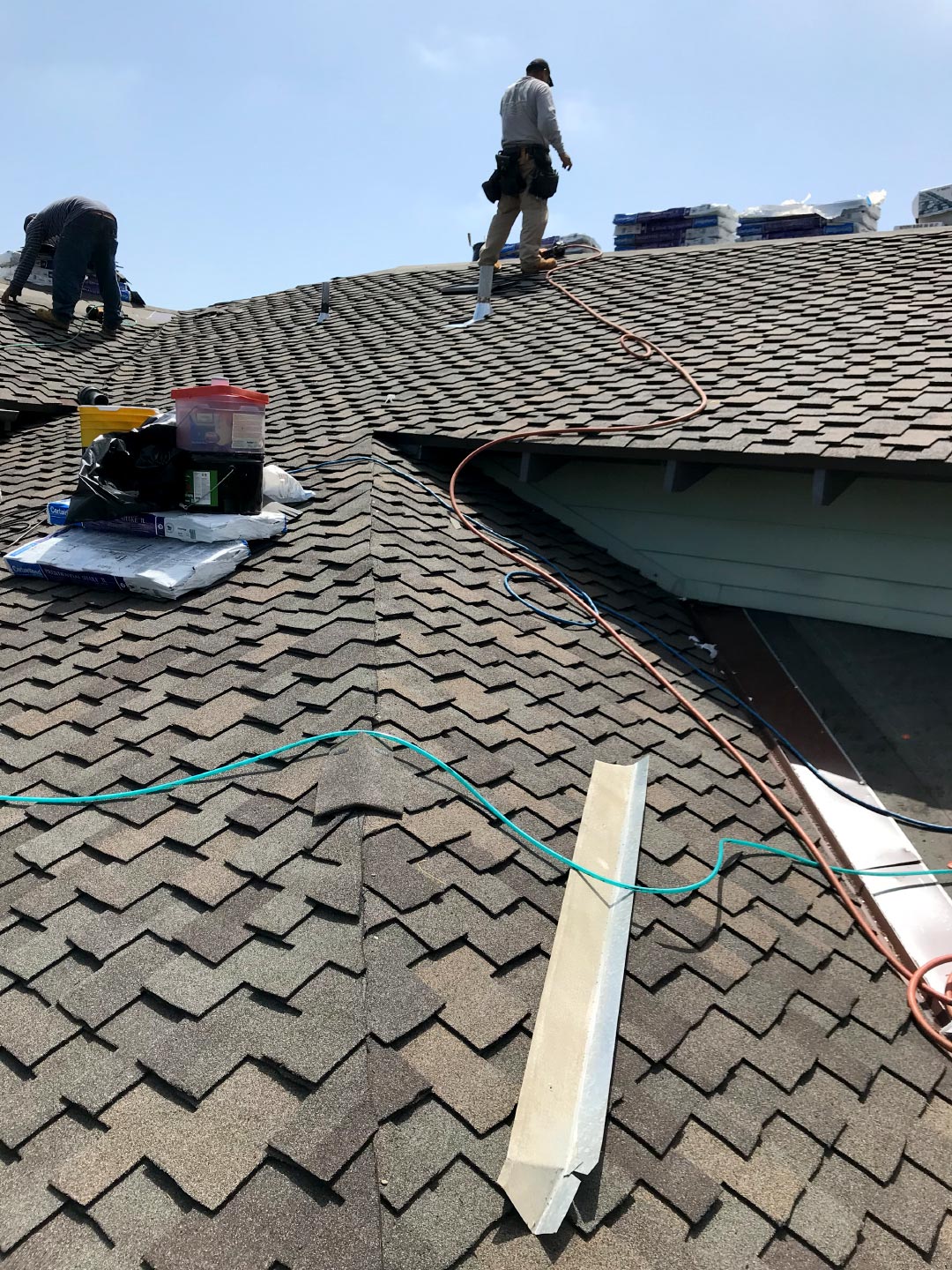
You want a crew that treats your roof like a system, not a guess. Our angle is risk-aware delivery that keeps problems small and manageable. We start with diagnostics, then map scope so surprises don’t snowball. Moisture readings shape our plan, and the budget follows the facts. A seasoned roofer catches weak decking, under-vented attics, and clogged valleys before work begins. Those early checks steers material choices and shortens schedules. Facility staff stay informed with simple updates, and punch lists stay short. Fewer callbacks means costs stay stable. We verify twice because water always wins the long war against buildings. You receive a plan that explains the why, the how, and the when. Speed isn’t the only goal; repeatable, durable results are.
Map scope first and prevent missed items with disciplined planning
We kick off with a visual survey and moisture readings to confirm what’s under the surface. You can compare prelims and timing at roofing to see how discovery shapes the build. We mark soft decking, rusted flashing, and stressed fasteners with clearly labeled tags. Then, we align tasks to constraints like access hours. The difference is simple: we separate wants from musts. This clarity stops add-ons from derailing the day. We push for attic access, HVAC clearance, and satellite paths to avoid conflict. One clear scope supports clean bids and fewer surprises. You see the trade-offs in writing. Nothing is buried in jargon. It’s straight talk backed by photos. This keeps everyone aligned. No guesswork. We chart a plan you can track.
Before we price, we build a line-by-line scope with countable units. We list tear-off zones, overlay disallowed by code, and crew-day needs. We further include staging, dumpster spots, and fall protection tie-off points. Every line earns a photo and plain note. That’s how scope creep stays caged. When a change pops up, the team records it and rates it the same day. You don’t lose track of the budget or the clock.
Choose proven materials and inputs that match climate and loads
Material picks start with data, not hype. You can scan spec sheets and options at roofing while we explain what works in your zip code. Take a case: coastal homes need corrosion-resistant fasteners and high-wind shingle systems. Snow-heavy areas want robust ice barriers and channel spacers. Low-slope porches may need membranes, not shingles. We align material systems to attic humidity and solar gain. Then we confirm ventilation with net free area checks. Our aim is dry decking and steady attic temps year-round. One bad pick becomes the leak path. We don’t gamble with that.
When hail has crushed mats or surface loss is severe, we advise roof replacement rather than another patch. That choice saves money over repeated emergency calls. We show impact ratings, coverage levels, and fastener schedules side by side. Property managers see why cheaper now can mean bigger bills after one storm. Better underlayments cut deck swelling, and proper flashing at walls stops hidden rot. Our baseline is code-plus, not code-minimum. That’s how roofs last beyond the first few seasons.
Coordinate site rhythm and calendar for clean daily progress
We build a daily cadence so tasks don’t trip each other. You can review sample timelines at roofing and see how cleanup slots keep sites tidy. Example: a duplex tear-off starts at rear, loads mid-morning, then front by noon. Valleys first, then fields, then flashings, with punch passes before wrap. Haul-offs occur at fixed times to avoid pile-ups. That rhythm keeps neighbors happier and nails out of tires. We share a door notice with quiet hours. Tenants know when to park and how to reach us. Disruptions shrink when everyone knows the plan.
Weather shifts schedules, so we bake buffers into the calendar. We stage tarps, tie-ins, and emergency sealants before clouds appear. If radar pops, we pivot to prep tasks and protect open seams. Crews rotate by skill, not just by headcount, so pace stays even. We track progress by section with photo checks at lunch and close. Those photos catch loose edges before the wind does. Fewer scrambles, more finish. That’s the promise.
Lock in fit and mitigate risks with checks that matter
Quality lives in the small moves. You can see our checklists at roofing and compare them to common failure points. We stress-test fastener pull and lift on a sample course. We probe sheathing edges for swelling before installing First rows. We color-snap chalk lines to keep courses straight. At chimneys, we stage apron flashing with proper laps and diverters. Every valley earns membranes placed on centerline. Gutters get drip metal that actually tucks where water wants to run. Those steps are small, and they pay large dividends. Gravity always wins if you skip them.
We also use photo sign-offs by milestone. Leads submit three angles per task, and PMs approve before moving on. That loop cuts rework and spreads best practices. Homeowners get a simple album that proves what’s hidden is also right. It builds trust, and it keeps the phone quiet after storms. We maintain a punch-first mindset, not a punch-last scramble. That’s how risk falls, even under pressure. Using roofing just once in the plan avoids confusion with other trades.
Balance budget and choices without cutting the critical corners
Budgets work when you price the lifecycle, not the week. You can test upgrade deltas at roofing and see how small adds change outcomes. For instance: better underlayment plus balanced ventilation can outlast a premium top layer. Swap one accessory for extra barrier at eaves in snow zones. Move dollars toward flashing details where leaks love to start. We’ll show line items that buy the most durability per dollar. If cash is tight, phase by slope without boxing future moves. That’s honest saving without future regrets.
When timelines collide, we compare crew-day rates to seasonal hazards. A low slot in storm season can cost more in damage control. We schedule dry-ins and staging to cap exposure hours. Owners see clear math, not vague promises. We work to beat the clock, but never by skipping critical steps. If you searched for roofing contractor near me, you probably want speed with proof. We balance both with photos, logs, and steady punch cycles.
Vet the team fit and ask tough questions before signing
Fit matters as much as price. You can review sample Q-and-A at roofing to prep your shortlist. Ask about who’s on-site, not just who sells the job. Confirm who installs flashing, who runs safety, and who signs off the punch. Request a real schedule with weather buffers, not a shrug. Have the team show attic photos that justify the vent plan. Keep it specific so answers can be graded, not guessed.
References count, but so do jobsite habits. Do they broom the lawn at lunch, or only at the end? Are valleys cut before rush, or in the dark? Does the PM visit daily, or only when something breaks? Get these answers in writing. Using roofing company in your notes helps track who promised what. One small step keeps vendors honest and communication smooth.
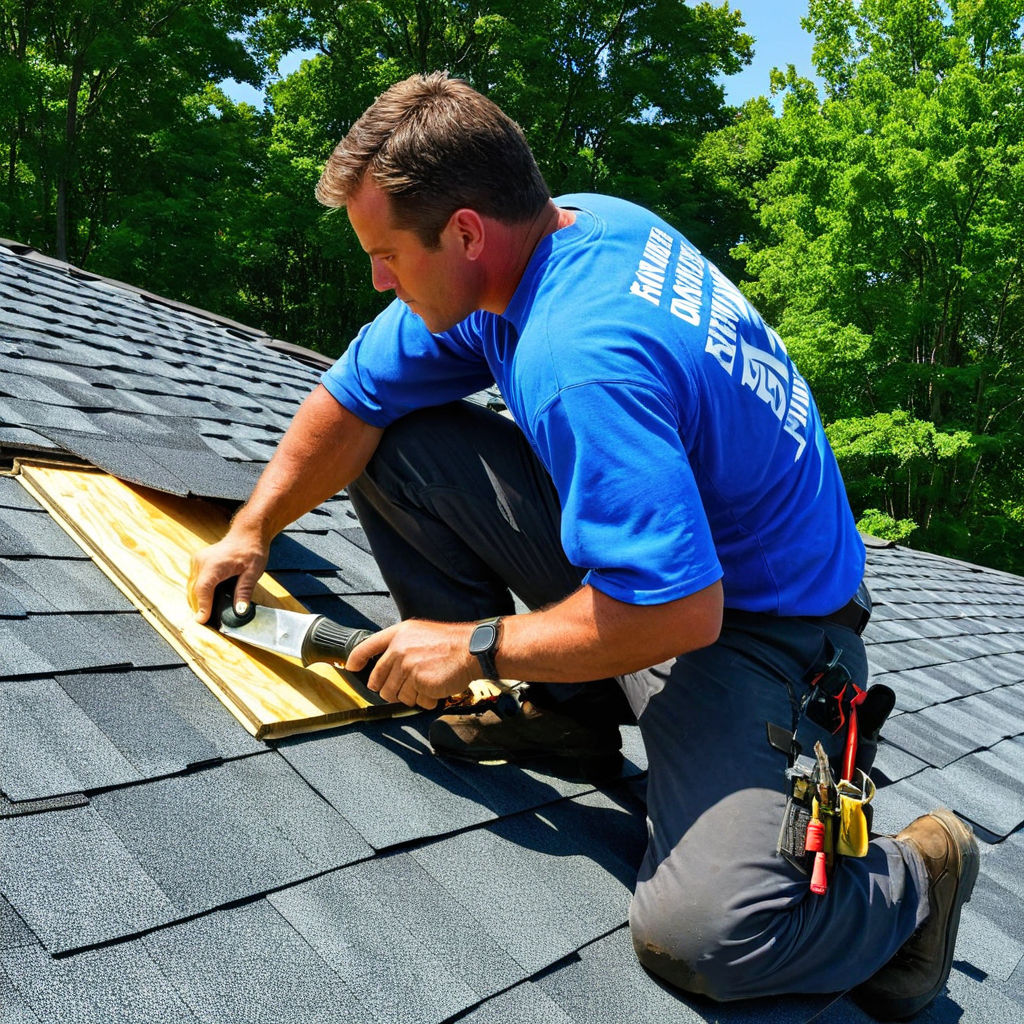
(Image: https://tpmanage.com/wp-content/uploads/2024/03/a-man-doing-roofing-work.jpeg)
Conclusion
When projects follow disciplined planning, smart inputs, predictable schedules, and useful checks, you get fewer surprises and longer service life. Clear budgets that favor critical details beat low bids that leak. The right fit will show proof before you ever need a fix. Put those pieces together, and your roof works better for years to come.
(Image: http://www.kenkutcher.com/painting-and-roofing/painting-and-roofing-02-lg.jpg)