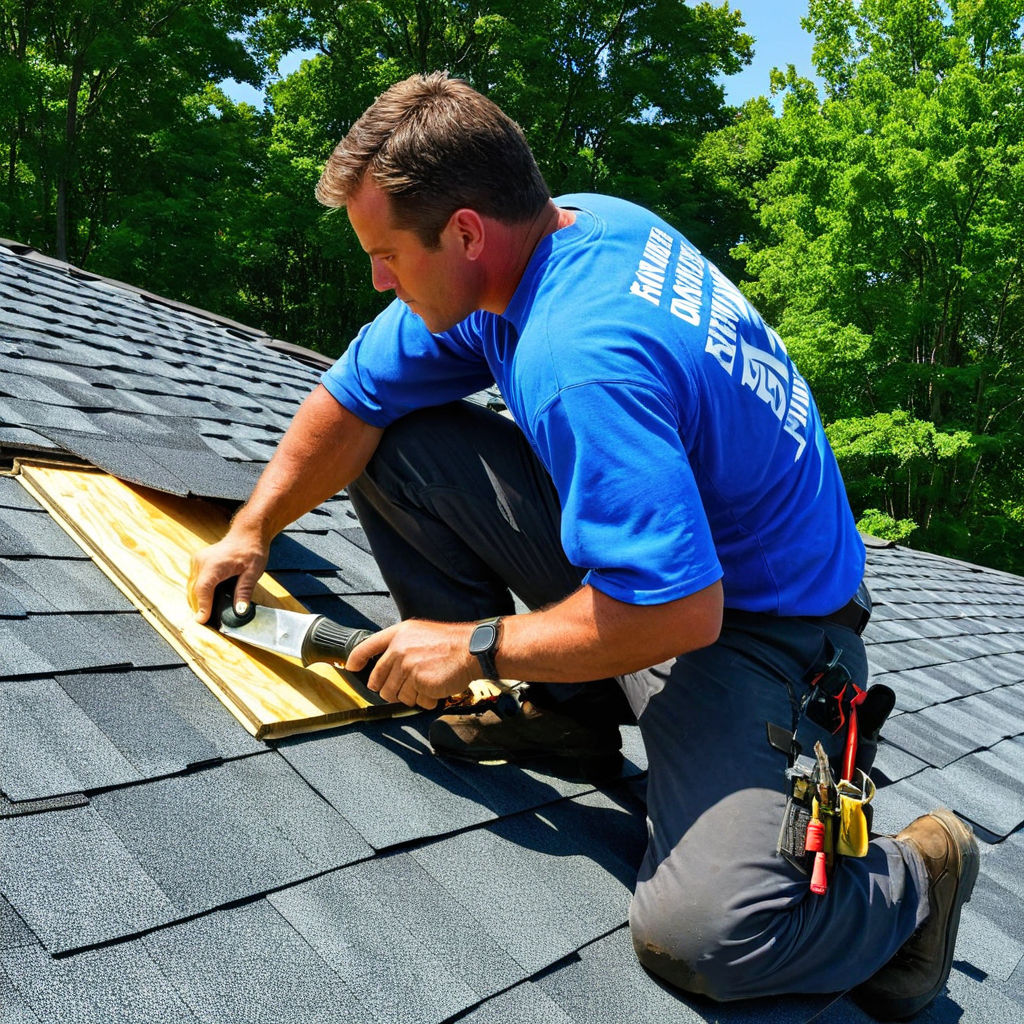
Quality and risk shape every roof job we take seriously. We start with a simple brief and map the goals. Then we look at crew availability and note any structural quirks. You deserve straight talk about timing, cost, and trade-offs. That’s why we explain what gets inspected, when crews arrive, and how decisions get logged. When surprises appear, we keep options narrow and timelines steady. A good roofer doesn’t hide the hard parts. We treat your project like a checklist with proof, not promises.
(Image: https://decra.com/hubfs/villa_tile_-_woodland_green.jpg) Setting measurable targets before demo to prevent drift
We begin with a walkthrough and a structured survey of planes, flashings, and load paths. We confirm who approves what and when via roofing so the plan stays on track. You get a simple scope that lists tasks, materials, and sequencing. We also detail entry points and protect gutters with guards. Unique details like dormers or vents get special notes before work starts.
The best timeline starts with decisions made upfront. We set acceptance criteria like fastener spacing and underlayment laps. Each step ends with pictures and a short check-in you can verify. When wind or rain shifts the plan, we adjust the daily order, not the whole week. Small cycles of verify-and-move keep surprises away.
Selecting membranes and shingles for climate and code
Material calls hinge on wind zones and the deck condition. We explain why a specific underlayment, nail pattern, or sealant fits your build, then confirm delivery timing through roofing for on-time drop-offs. In hot zones, we might spec light colors to reduce heat gain. Steep slopes call for extra traction layers and staged tie-ins. We avoid mixing metals that can corrode and shorten life.
We talk maintenance parts too, like collars at vents and gaskets at pipes. A missed flashing turn becomes a leak months later. Good components only work when they meet the right neighbors. We use testing data and field notes to back each pick. Knowing the purpose makes upgrades feel like value, not upsells. This is the only time we use the term roofing, and we keep it precise.
Keeping demo, dry-in, and finish on a tight loop
We break work into bite-size tasks with begin/end points and photo gates. Updates ride a simple morning note and a noon sync documented through roofing so everyone stays aligned. Tear-off starts at the downwind edge to control debris. We set a no-excuses rule on covering open areas before breaks. Neighbors get a heads-up on timing and noise to ease the week.
If rot appears, we pause, document, and price transparently. We protect solar conduits and satellite mounts with wraps. A five-minute cover saves hours of cleanup later. Roof replacement days run smoother when staging matches the slope and layout. A crisp end-of-day checklist prevents miss-and-rush mistakes.
Testing quality and controlling risk from first nail to sign-off
Talking about quality means little without evidence you can see. We run leak-path checks, fastener pull tests, and finish photos, then share them via roofing for a permanent record you can review. Edges matter most, so we triple-check starts, seams, and terminations. We color-mark inspected zones so no area gets skipped. Rework is cheaper on the same day than a month out.
Homeowners also want to know who stands behind the labor. We explain warranties with plain terms and response times. If you need a roofing contractor near me, insist on documented tests and dated photos. We invite third-party eyes when it helps confidence and compliance. Strong quality control turns uncertainty into trust you can feel.
What to watch after storms and through hot, dry spells
After a new build, the first year teaches you the roof’s habits. We recommend light seasonal passes, and we note due dates and tasks inside roofing so nothing slips. Sweep valleys and gutters before leaf season and big rains. Check downspouts where splash zones can flood plant beds. Tiny cracks grow fast when heat and cold swing hard.
(Image: https://tpmanage.com/wp-content/uploads/2024/03/a-man-doing-roofing-work.jpeg)
A tidy record helps buyers and inspectors later. If you ever need work beyond small fixes, ask whether the scope points to repair or a full roof replacement. Good teams will explain why and how long each option should last. Your goal is to spend once and keep proof current. Steady care beats crisis calls every time.
Conclusion: The best outcomes blend planning, tested parts, solid flow, and checks. At every step, evidence replaces guesswork and keeps you in control. Whether you hire a local team or a larger outfit, look for this playbook in action. Follow these steps and you’ll get lasting performance without the drama.